A chilling scene unfolded in Kenosha, Wisconsin, where 34-year-old Rosalio Gutierrez was reported missing after his girlfriend discovered a gruesome blood-soaked apartment. As police investigate the troubling circumstances surrounding his disappearance, ex-boyfriend Zachariah Anderson emerges as a prime suspect, raising fears of a deadly obsession.
 On May 19, 2020, Sadie Beum, concerned about her new boyfriend, made a 𝓈𝒽𝓸𝒸𝓀𝒾𝓃𝑔 discovery at Gutierrez’s home. Blood splattered across the walls and floor painted a horrifying picture, suggesting a violent struggle. With Gutierrez missing and his phone silent, the police faced a daunting investigation.
Detectives quickly noted that there was no sign of forced entry, leading them to suspect that Gutierrez had willingly opened the door to someone he knew. As they combed through the apartment, they found disturbing evidence, including a missing rug that may have been used to conceal a body.
Beum’s frantic call to 911 set off a series of events that would unravel a web of jealousy and obsession. Her ex, Zachariah Anderson, had reportedly stalked both Beum and Gutierrez, raising alarms among friends and family. Witnesses described Anderson’s erratic behavior, with claims of him lurking near Beum’s home with their children in tow.
As the investigation deepened, police uncovered a troubling timeline. Just days before Gutierrez vanished, Anderson had allegedly threatened him, leading detectives to view him as a person of interest. A search of Anderson’s property revealed a smoldering burn pit and evidence of a potential cover-up, including bleach and garbage bags purchased shortly before Gutierrez’s disappearance.

The case intensified as police obtained a positive DNA match linking Gutierrez’s blood to Anderson’s minivan, further implicating him in the crime. Despite the lack of a body, circumstantial evidence mounted against Anderson, painting a picture of a calculated and violent act.
As the trial commenced, emotions ran high, particularly when Anderson’s daughter, Olivia, took the stand. Her testimony revealed chilling details of her father’s behavior, including efforts to manipulate her into spying on Beum and Gutierrez. The courtroom was tense as the young girl confronted her father’s alleged actions.
Throughout the trial, the prosecution painted a vivid picture of Anderson’s obsession with Gutierrez and his determination to eliminate any perceived threat. The defense, however, argued the absence of concrete evidence, claiming that without a body, the case was built on speculation.
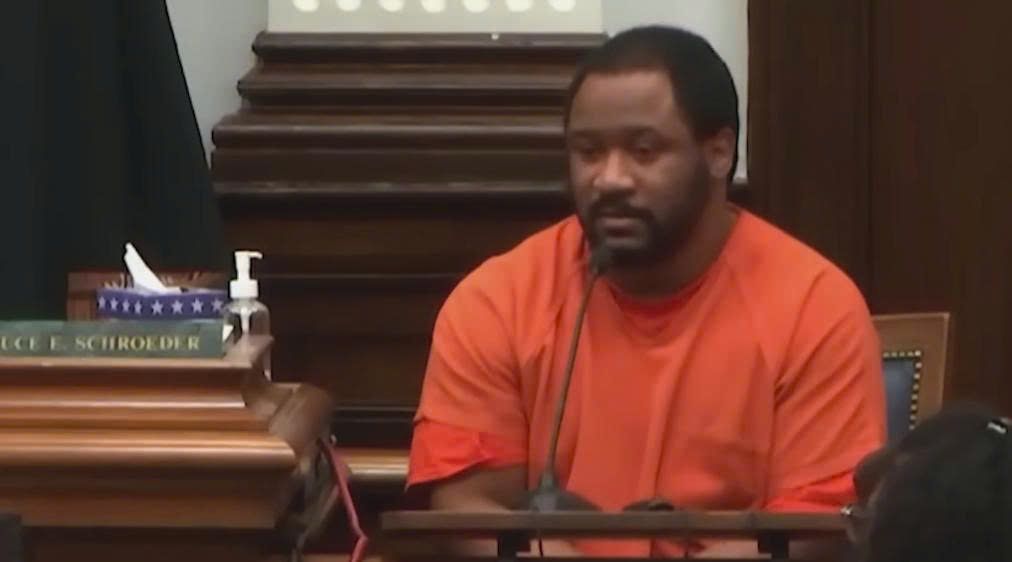
After weeks of testimony, the jury found Zachariah Anderson guilty of first-degree murder, stalking, and concealing a corpse. As he was sentenced to life in prison, the haunting question remained: Where is Rosalio Gutierrez? His family is left grappling with unanswered questions and the painful reality of a life cut short by jealousy and rage.
Despite the conviction, the absence of Gutierrez’s body leaves a void that no verdict can fill, a stark reminder of the tragic consequences of obsession. As the community mourns, they are left to wonder about the fate of a devoted father and son, lost in the shadows of a violent crime.


